
Why Winter Radon Testing is Best: How Cold Weather Can Increase Indoor Levels

Cold weather, sealed homes, and heating systems can cause radon levels to spike in winter. Learn why winter testing is crucial and how mitigation protects your home.
Preparing for Fall: The Impact of Seasonal Changes on Radon Levels
Fall is the perfect time to test for radon in Ontario. Discover how cooler weather affects radon levels and why testing now ensures safer air quality before winter.
Radon and Basements: Special Considerations for Below-Ground Spaces
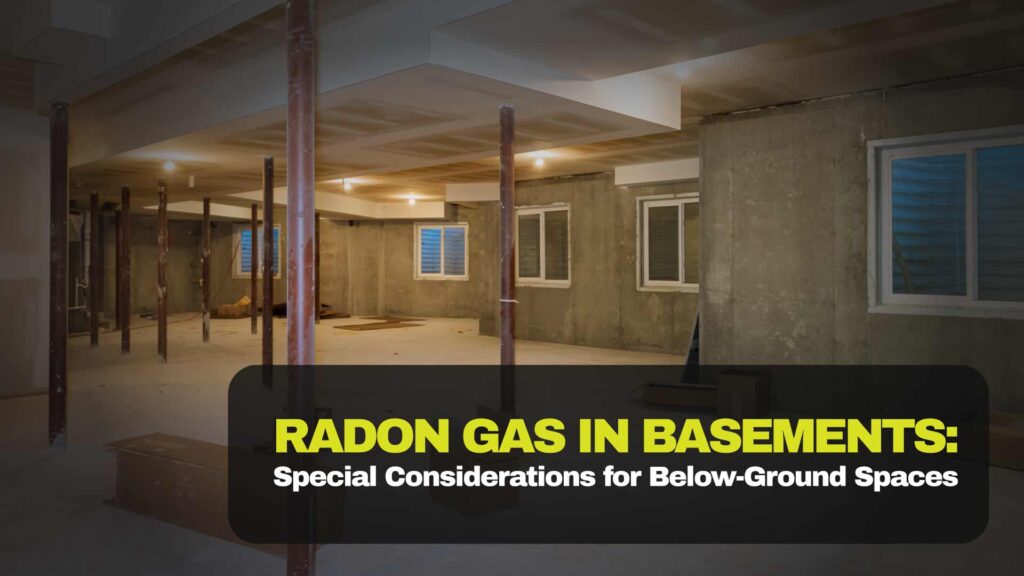
Basements are a major entry point for radon in Ontario homes. Discover why radon accumulates in below-ground spaces and what steps you can take to protect your family.
Radon 101: What Every Homeowner Needs to Know

What is Radon? Radon is a naturally occurring radioactive gas that forms from the breakdown of uranium in soil, rock, and water. It seeps into homes through cracks in foundations, gaps around pipes, and other openings. Because it is colorless, odorless, and tasteless, radon can accumulate in indoor spaces without detection, posing significant health risks. The Health Risks of Radon Exposure Radon and Lung Cancer Exposure to elevated radon levels is a leading cause of lung cancer among non-smokers. According to Health Canada, radon exposure is responsible for approximately 16% of lung cancer deaths each year. Smokers who are also exposed to radon have an even higher risk of developing lung cancer. How Common is Radon in Canadian Homes? Health Canada’s National Radon Survey found that up to 44% of homes in certain regions exceed the recommended radon guidelines. While most testing has been conducted in residential properties, radon is also present in workplaces, schools, and commercial buildings. Radon and Building Codes in Canada National Building Code Requirements The National Building Code of Canada includes specific measures to facilitate radon mitigation in new constructions. These provisions make it easier to install a full mitigation system if post-occupancy radon testing reveals high levels. Key Building Code Requirements: Important Considerations for Homeowners While these building measures are valuable, they do not fix radon on their own. If radon levels are high, a mitigation system must be activated by a C-NRPP-certified Radon Professional. Homeowners should: Protecting Low-Income Canadians from Radon Exposure Ensuring that all Canadians have access to radon-safe homes requires additional measures, including: How to Reduce Radon Levels in Your Home Testing for Radon The only way to know if your home has high radon levels is to conduct a radon test. Short-term and long-term radon test kits are available, but Health Canada recommends a long-term test (at least 90 days) for the most accurate results. Professional Radon Mitigation If testing reveals radon levels above the recommended limit (200 Bq/m³), mitigation is necessary. A certified radon professional can install an active radon mitigation system, which typically involves: Take Action Today Radon is a serious but preventable health risk. Protect your family by:✅ Testing your home for radon.✅ Ensuring builders follow radon mitigation guidelines.✅ Advocating for stronger enforcement of building codes and workplace protections. Need Professional Radon Testing or Mitigation? Contact Alder Creek Radon Gas Pros for expert radon testing and mitigation services. Ensure your home is safe and radon-free!